

Reliable power infrastructure depends on accurate system modeling, properly configured protection schemes, and verified compliance with grid standards. Power systems analysis consultants provide the technical expertise required to assess network performance, configure relay protection, and conduct compliance testing for industrial, commercial, and utility scale projects. These services are especially critical when connecting new generation assets or major loads to the electricity network.
Role Of Power Systems Analysis Consultants

Project developers and asset owners often engage specialists early in the lifecycle because grid connection services will help ensure that proposed installations meet utility requirements before energisation. Power systems analysis consultants evaluate how new equipment, renewable generation, or large industrial loads will interact with the existing electrical network.
Core studies typically include load flow analysis, short circuit calculations, and voltage stability assessments. Load flow analysis determines how power moves through the system under various operating conditions. Short circuit studies evaluate potential fault currents to confirm that switchgear, transformers, and protection devices are correctly rated. Stability studies assess system response during disturbances, ensuring voltage and frequency remain within acceptable limits.
These technical evaluations support safe integration of new assets while minimizing the risk of network instability or equipment damage.
Relay Protection Design And Coordination
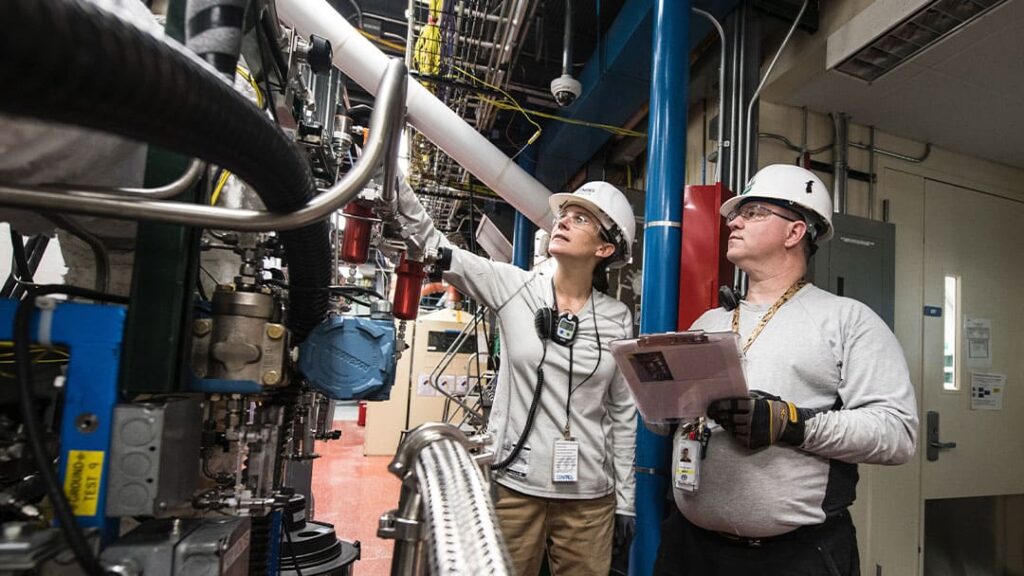
Relay protection systems are fundamental to electrical safety and reliability. Protection relays detect abnormal conditions such as overloads, short circuits, or earth faults and isolate affected sections of the network to prevent cascading failures.
Consultants design and configure protection schemes based on detailed modeling results. Protection coordination studies ensure that relays operate selectively, meaning only the faulted section of the system is disconnected while the remainder continues operating. This reduces downtime and limits operational disruption.
Advanced protection systems may incorporate digital relays, communication based schemes, and remote monitoring capabilities. Engineers must ensure that time current characteristics, fault detection settings, and breaker coordination align with network standards and asset protection objectives.
Arc flash risk assessments are also commonly performed as part of protection design. These studies help determine safe working distances and appropriate personal protective equipment requirements for maintenance personnel.
Compliance Testing And Grid Code Requirements
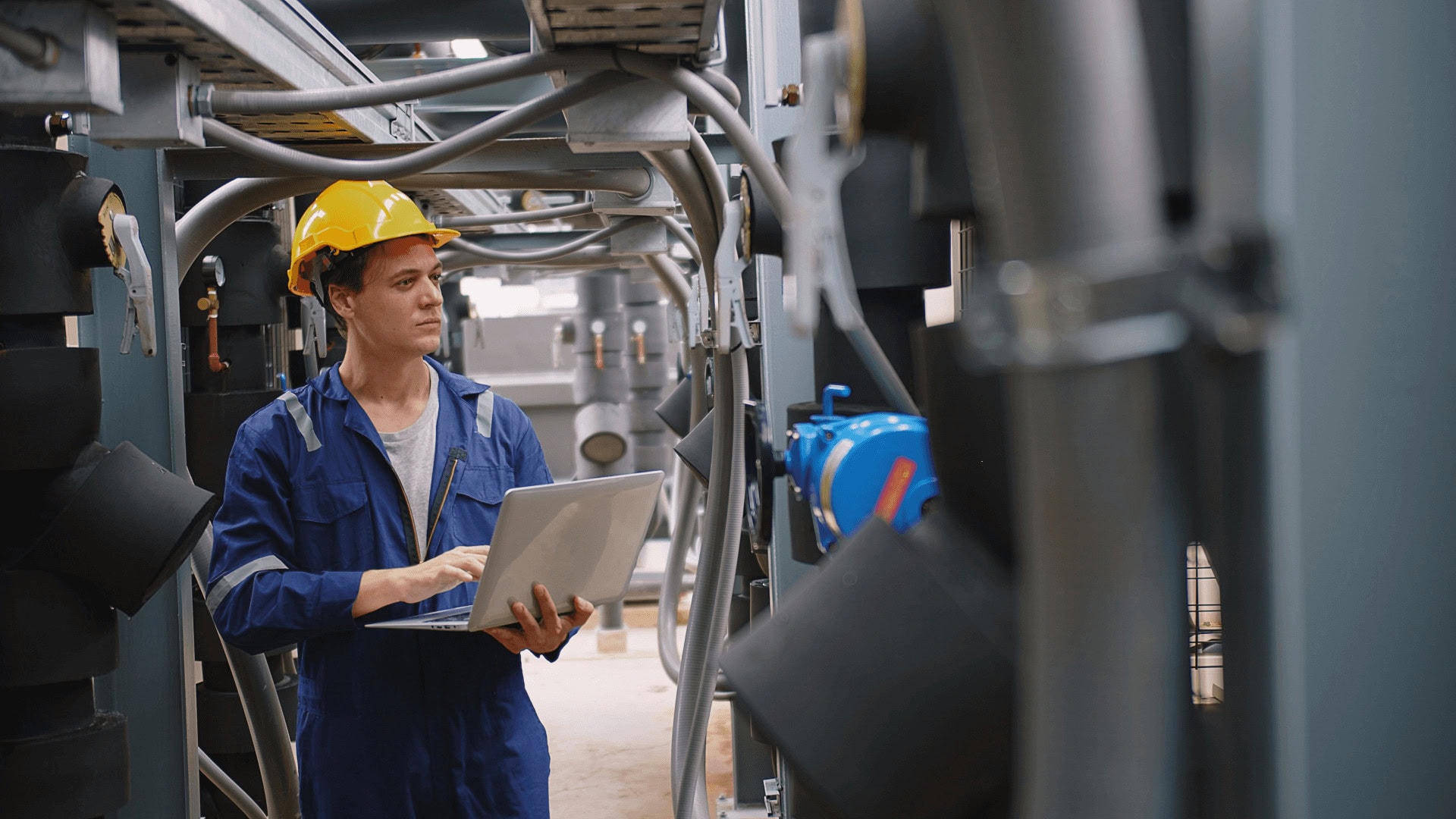
Compliance testing verifies that installed systems perform according to design specifications and regulatory obligations. Grid operators require evidence that new connections meet technical standards related to voltage control, fault ride through capability, harmonic distortion, and frequency response.
Testing may include primary injection tests, secondary injection testing of relays, functional trip testing, and commissioning validation. Detailed reports document performance outcomes and confirm that equipment settings match approved study results.
For renewable energy projects and large industrial facilities, demonstrating compliance with grid codes is often a prerequisite for final approval and ongoing operation. Accurate documentation and witnessed testing procedures reduce the risk of delays or non compliance penalties.
Ongoing periodic testing and review of protection settings ensure that systems remain aligned with network changes and evolving regulatory standards.
Conclusion
Power systems analysis consultants play a vital role in ensuring safe, compliant, and reliable electrical network performance. Through detailed modeling, precise relay protection design, and rigorous compliance testing, these specialists help projects connect to the grid with confidence. By engaging expert support early and maintaining structured testing processes, asset owners can protect infrastructure investments and maintain long term operational stability.