
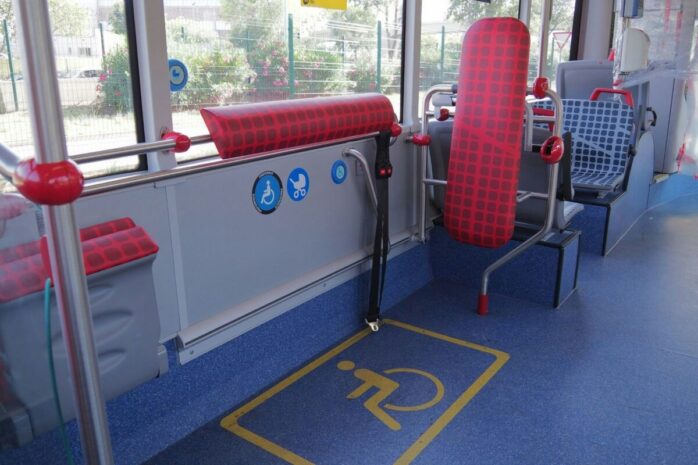
Travelling through a city should not become complicated simply because someone uses a wheelchair. Across Australia, accessible public spaces, transport connections and building designs can make everyday journeys more practical. Improvements to streets, attractions and public facilities are helping create environments where wheelchair users have more options when planning how and where they travel.
Better Streets and Public Areas Remove Everyday Barriers
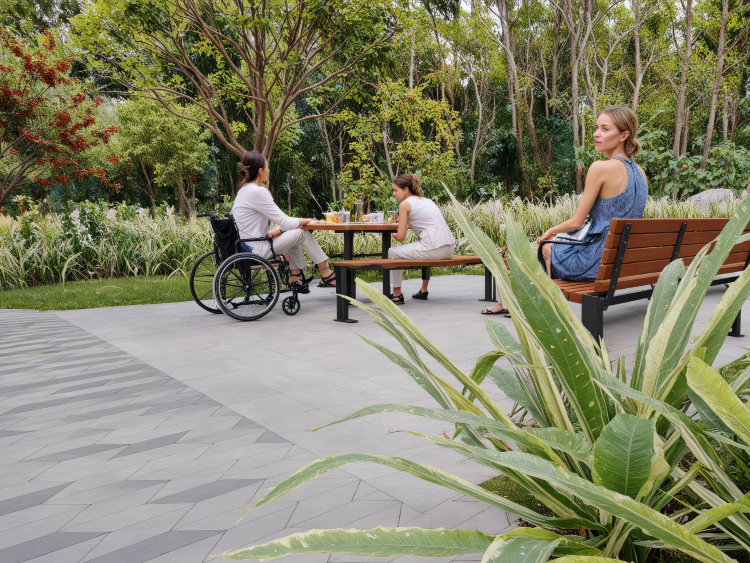
Accessibility often begins with relatively simple features. Smooth footpaths, kerb ramps and appropriately designed pedestrian crossings can make it easier for wheelchair users to move between streets, shops and transport stops. Wide pathways are also important because narrow spaces can become difficult to navigate when they are crowded.
Public areas become more useful when accessibility is considered throughout the entire space. Step-free entrances may provide access to a building, but visitors also need suitable lifts, doorways, toilets and enough room to move comfortably once inside.
Rest areas and accessible toilets can be particularly valuable when travelling longer distances. Together, these features allow wheelchair users to plan trips around what they want to see and do rather than primarily around physical obstacles.
Accessible Transport Extends the Range of Possible Journeys
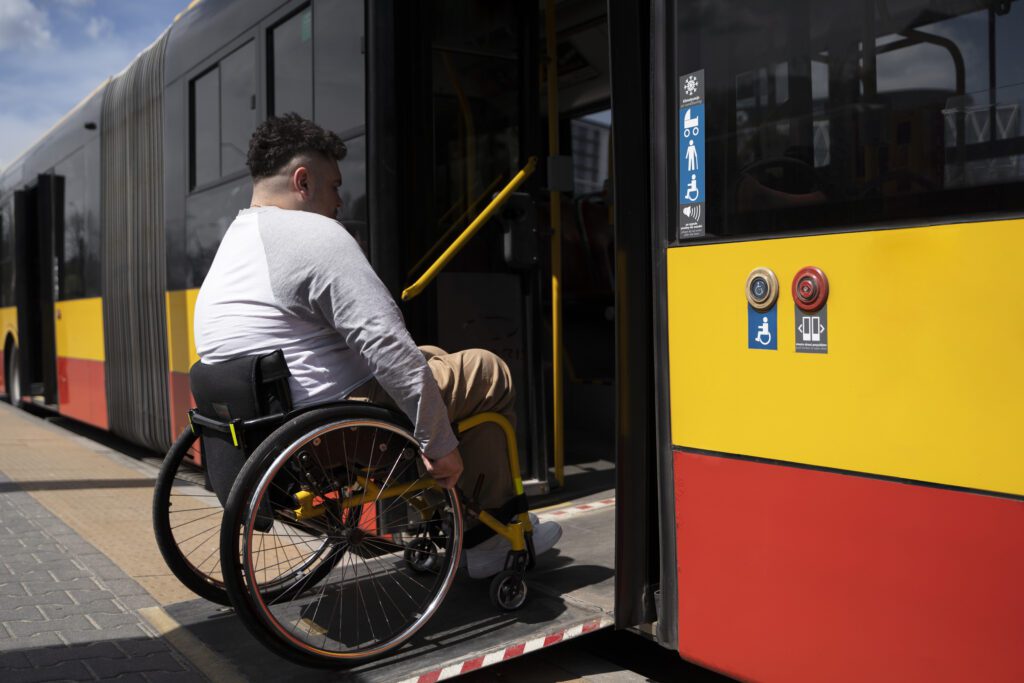
Accessible public spaces are most effective when people can also travel conveniently between them. Depending on the city and route, wheelchair users may have access to buses, trains, trams and ferries with accessibility features designed for passengers with mobility requirements.
However, public transport does not work equally well for every journey. A destination may be far from an accessible stop, a route could require several transfers, or a passenger may be travelling with additional mobility equipment. For the disabled community who need larger transportation, then it’s recommended you order a specialised wheelchair taxi service from here.
Having different transport choices can make spontaneous journeys more realistic. Instead of relying on a single accessible route, travellers can select an option according to their destination, schedule and individual requirements.
Clear Accessibility Information Makes Planning Easier

Infrastructure alone cannot remove every travel difficulty. Wheelchair users also need accurate information about what they will encounter at their destination. Knowing whether an attraction has step-free access, accessible parking, suitable toilets or lifts can prevent unpleasant surprises after arrival.
Hotels, restaurants, museums and entertainment venues can help by publishing specific accessibility information online. Simply describing a location as accessible may not provide enough detail because wheelchair users can have different requirements. Information about entrances, doorway widths, ramps and internal routes can be much more useful.
Digital maps and journey-planning tools can further simplify travel when they identify accessible stations, entrances and facilities. Keeping this information updated is important because temporary closures or unavailable lifts can significantly change an otherwise accessible journey.
Conclusion
More accessible public spaces can give wheelchair users greater flexibility when travelling around Australia. Step-free routes, suitable facilities, accessible transport and reliable information all contribute to easier journeys. When these elements connect effectively, accessibility becomes part of the entire travel experience rather than a feature available only at individual destinations.