

Business today barely resembles what it looked like a decade ago. Machines send alerts about their own health. Shelves know when they’re empty. Trucks tell customers exactly where packages are. This web of connected technology has flipped the script on how companies work, making them quicker and more responsive than ever before.
The Rise of Connected Business Systems
Companies now depend on networks of gadgets that constantly share data. A factory sensor feels weird vibrations and texts the repair crew before anything breaks. Warehouse racks monitor stock and reorder supplies automatically.
Delivery vans share their location, so you know your package arrives at a specific time. These connected ecosystems go beyond automating boring tasks. They build intelligence webs where each piece of equipment adds something valuable to the mix.
All these bits of information pour into computers that catch things people would never spot. Sales always jump Tuesday afternoons? Stock extra inventory. That machine’s temperature creeps up week after week? Fix it now before it dies during the morning rush.

Breaking Down Data Silos
Remember when different departments might as well have worked at different companies? Sales hoarded their spreadsheets. Factory floors kept production data secret. Customer service lived in their own universe. Connected ecosystems smash through those old barriers.
Facts flow wherever they’re needed, opening doors for better choices all around. Sales reps check production schedules on their phones. Factory managers adjust output based on real orders coming in right now. This openness changes the game completely. Bad news travels fast, which turns out to be good news.
Quality control catches a defect? Everyone knows. Sales calls affected customers. Shipping stops those orders cold. Bosses hear the whole story right away and sort things out fast.
Speed and Intelligence at the Edge
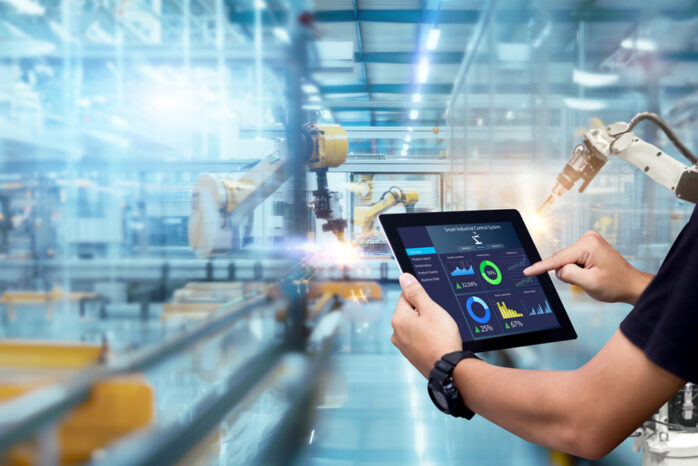
Waiting for faraway servers to think through problems costs precious seconds. Companies need answers now, not in a minute. Blues IoT brings edge computing for industrial automation right to the factory floor, keeping the brain power close to where stuff actually happens. Their systems help plants and warehouses crunch numbers on the spot instead of sending everything to the cloud first.
A bottling plant’s cameras spot cracked glass instantly because the computer sits right there, not hundreds of miles away. Farms check soil moisture and adjust sprinklers immediately. Stores count customers and open more registers before lines form. Local processing also saves the day when internet connections crash. Important systems keep running solo. Information piles up locally, then uploads once the network comes back. Nothing grinds to a halt just because Wi-Fi takes a vacation.
The Competitive Advantage
Companies running connected ecosystems leave traditional competitors in the dust. They throw away less stuff because they know exactly what’s needed. Customers stay happy because businesses remember what they like and stock it. Repair bills shrink because problems get fixed before explosions happen.

You don’t need to be Amazon to benefit either. That neighborhood bakery uses sensors to nail the perfect croissant every time. Small manufacturers schedule repairs during lunch breaks instead of busy mornings. Food trucks accept tap payments and know which tacos sell out first. The investment pays off quickly. Fewer surprises mean fewer emergencies. Better data means better decisions. Happy customers come back and bring friends.
Conclusion
Connected ecosystems aren’t some far off dream anymore. They’re here, working quietly behind the scenes at businesses everywhere. Companies jumping on board gain ground daily while skeptics watch competitors zoom past.
Every industry feels the shift. Restaurants, factories, hospitals, farms, retail stores, all discovering what happens when everything talks to everything else. The race has started. Winners will be those who connect fastest and learn quickest from what their ecosystems tell them.