

Job sites that involve fire, sparks, or extreme heat demand a higher level of protection than standard work environments. Whether cutting metal, welding structural components, maintaining energized electrical systems, or working near flammable materials, tradesmen face risks that can escalate in seconds.
That’s why flame retardant clothing plays such a vital role in modern job-site safety it is designed to reduce ignition risk and protect workers when exposed to sudden thermal events.
Why Heat-Related Injuries Are So Dangerous

Burn injuries are among the most severe workplace injuries because they affect multiple layers of the body and can lead to long recovery times or permanent damage.
Heat-related injuries can result from:
- Arc flashes
- Flash fires
- Hot equipment contact
- Molten metal splatter
- Chemical reactions
- Explosive ignition of vapors
Even brief exposure can cause serious harm without proper protection.
How Flame Retardant Clothing Works in Real-World Conditions
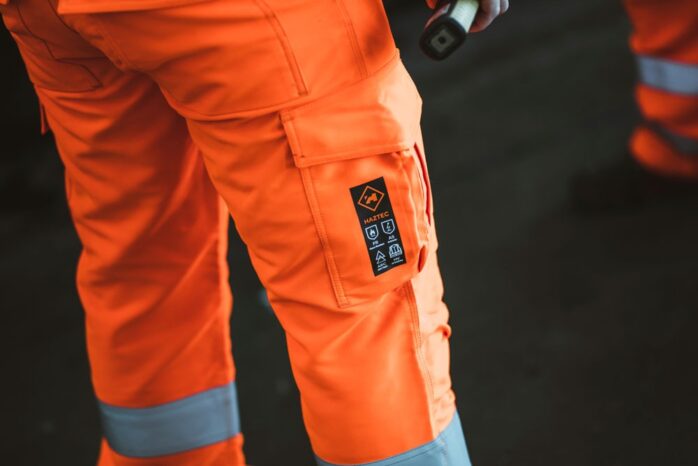
Flame retardant garments are engineered to respond predictably under flame exposure.
When exposed to flame, FR clothing:
- Resists ignition
- Limits flame spread
- Self-extinguishes when the heat source is removed
- Maintains structural integrity longer than regular fabrics
This behavior helps prevent clothing from becoming a secondary fuel source during an incident.
Who Needs FR Protection on the Job
FR clothing is not limited to one trade it applies anywhere flame or heat exposure exists.
Workers who benefit from FR apparel include:
- Electricians exposed to arc flash
- Welders and cutters
- Oil and gas field workers
- Industrial mechanics
- Utility crews
- Chemical plant operators
- Maintenance technicians
In many cases, safety standards require FR clothing as part of a job hazard assessment.
Common Situations Where FR Clothing Makes a Difference
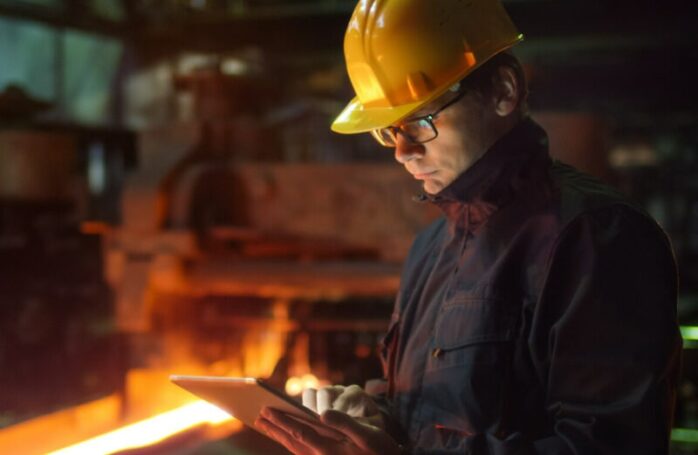
Electrical Arc Flash Events
Arc flashes produce intense heat and pressure. FR clothing helps reduce burn severity and injury risk.
Welding and Fabrication
Sparks and molten metal can ignite non-FR clothing instantly.
Fuel Handling and Gas Exposure
Flash fires can occur without warning when vapors ignite.
Emergency Repairs
Unexpected hazards during urgent repairs require maximum protection.
Choosing the Right Flame Retardant Clothing
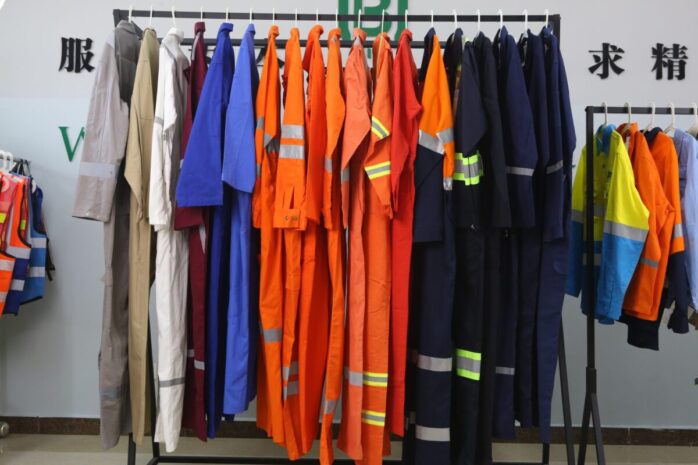
Not all FR garments are the same.
Key factors to consider:
- Hazard level and exposure type
- Industry compliance standards
- Comfort and breathability
- Durability for daily wear
- Weather conditions
- Layering requirements
Proper selection ensures both safety and productivity.
Integrating FR Clothing With Other Safety Gear
Flame protection works best as part of a complete PPE system.
FR clothing should be paired with:
- Flame-resistant gloves
- Protective footwear
- Hard hats
- Face shields and eye protection
- Respiratory protection when required
Mixing non-FR gear with FR clothing can reduce overall protection.
Why Comfort and Wearability Matter
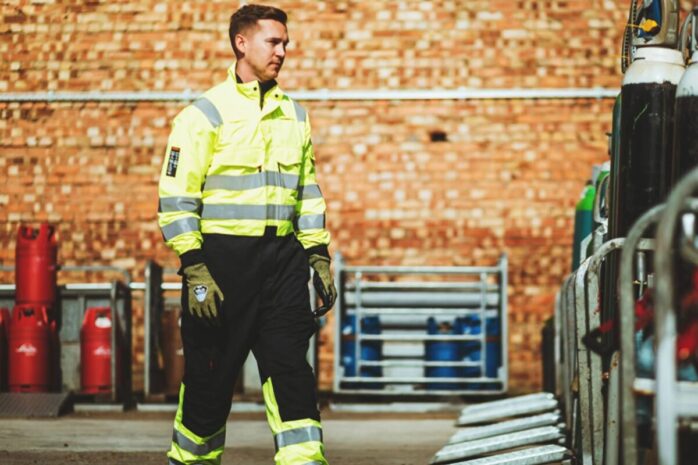
Uncomfortable gear leads to non-compliance.
Modern FR clothing offers:
- Lightweight fabrics
- Moisture-wicking materials
- Breathable construction
- Improved mobility
Comfort encourages consistent use, which improves safety outcomes.
Long-Term Benefits of Flame Retardant Clothing
Beyond immediate protection, FR clothing supports long-term safety.
Benefits include:
- Reduced injury severity
- Fewer lost workdays
- Lower medical and compensation costs
- Improved worker confidence
- Stronger safety culture
Protection benefits both workers and employers.
Final Thoughts
High-heat environments demand serious protection. Flame retardant clothing provides a critical defense against fire-related hazards by reducing ignition risk and limiting burn severity.
Also read: Fire Safety Design Plan
When combined with proper training and safety practices, FR apparel helps tradesmen work confidently in some of the most dangerous environments. In jobs where sparks and heat are unavoidable, preparation and protection make all the difference.