

Every spare minute now has a long list of entertainment options competing for it. Fast-paced crash games have found their place in this crowded landscape by offering something simple: quick access, short rounds and decisions that happen in real time.
An evening of entertainment is no longer necessarily spent doing one thing. Someone might watch part of a match, answer messages, read an article and open a game within the same hour. That constant movement between platforms has changed what people expect from digital entertainment. Not everything needs to occupy an entire evening to be enjoyable.
Why Digital Entertainment Is Competing for Every Spare Minute
There are only so many hours in the day. Entertainment choices, meanwhile, seem almost endless. A streaming service suggests another episode. Mobile games offer new challenges. Videos start playing seconds after an app opens.
Gaming platforms are part of the same contest for attention. This has created space for experiences that get started quickly. There is no lengthy introduction, complicated set of controls or story that needs to be remembered from the previous session.

Crash games like Aviator fit that pattern particularly well. The central idea is usually understood after watching a single round. A multiplier rises. The player decides when to leave. Wait too long and the round may end first.
Titles such as aviator have helped make this format familiar by turning one straightforward choice into a fast-moving experience built around anticipation.
Then the next round begins. Someone can participate for several minutes and move on. Returning later does not require remembering a character, a mission or what happened three hours earlier.
That simplicity is useful in an entertainment economy where people constantly divide their attention.
How Crash Games Turn Simple Mechanics Into Immediate Engagement
Watch someone encounter a crash game for the first time and there is usually very little explaining to do. The number is going up. When are you landing? That is more or less the game.
Yet simple mechanics can produce surprisingly engaging experiences. Every passing second changes the decision. Leaving early ends the uncertainty. Waiting creates the possibility of seeing the multiplier climb further.

There is no long gap between making a choice and discovering the outcome.
That immediacy matters. Many digital services have been designed around reducing the time between opening a platform and finding something interesting. Crash games follow the same principle.
Their interfaces tend to keep the important information visible. The current round sits at the center of the screen. Recent results and player actions may appear nearby.
You know where to look. The lack of unnecessary complexity also makes these games comfortable on smaller screens. There is less need to navigate crowded menus or learn several systems before participating.
Sometimes, a single clear mechanic is enough.
The Role of Speed, Suspense and Real-Time Decisions
Not every round of playing Aviator lasts the same amount of time. That is part of the attraction.
One might end almost immediately. The next keeps going, allowing the multiplier to climb while players decide whether they have waited long enough.
There is no script telling you what happens next. The uncertainty creates suspense, while the speed prevents that suspense from becoming drawn out. More importantly, the player has something to do.

Traditional casino formats often involve placing a wager and waiting for the outcome. Crash games place a decision inside the round itself.
Stay or leave?
Everyone answers differently.
Watching those choices adds another dimension. One participant exits quickly. Someone else waits. Others remain until the round ends.
The game becomes a shared event, even though every person is making an individual decision. It is a small distinction, but an important one. The player is watching the game and responding to it at the same time.
Why Mobile-First Habits Are Driving the Popularity of Short Gaming Sessions
Look at how people use their phones throughout an ordinary day. A few minutes here. Ten minutes there. Sometimes longer, depending on what has caught their attention. That behavior has shaped digital entertainment.
The World Economic Forum (2026) reports, “Globally, smartphone use continues to expand. In 2024, the number of devices reached 4.5 billion, and daily usage times are steadily rising.”
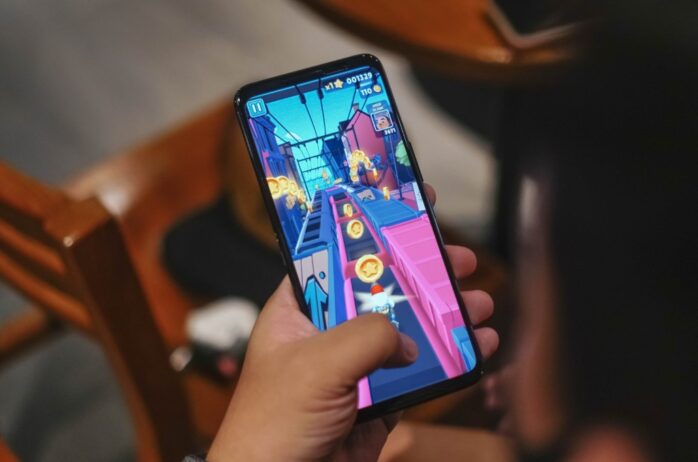
For gaming companies, the opportunity is obvious. Billions of devices are already in people’s pockets, and much of the entertainment consumed on them happens in relatively short bursts.
Crash games like Aviator are well suited to those habits. A round begins quickly. The interface works on a compact screen. There is no requirement to set aside a large block of time.
The Future of Digital Entertainment
The success of short-form gaming does not mean people have lost interest in longer entertainment. There is room for both. Sometimes you want to spend hours watching a series or exploring a detailed game. At other times, you have seven minutes and want something that fits.
Crash games do not ask people to rearrange an evening around them. They fit into the spaces already available.